Why Your IR Plan Needs More Than a Checklist
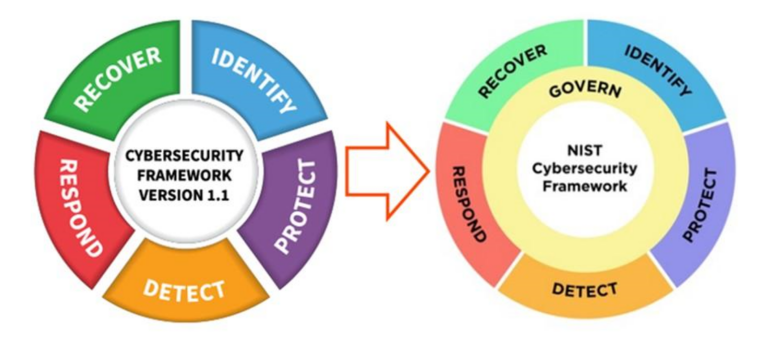
The question isn’t if your organization will face a security incident, but when. The speed and structure of your response directly determine the financial and reputational damage you sustain. As a Cybersecurity Consultant specializing in Incident Response, I’ve seen firsthand how a fragmented plan leads to panic. That’s why aligning your strategy with the NIST Cybersecurity Framework (CSF) isn’t optional—it’s essential for achieving measurable cyber resilience.
My work implementing layered security controls has demonstrably enhanced response speed by 75% and cut breach pathways by 25%. The foundation of that success lies in rigorously applying the five core functions of a NIST-aligned Incident Response (IR) Plan.
Step 1: Preparation (The Proactive Control Layer)
Preparation is where you implement the security controls that determine your defense posture. This step is a continuous cycle, not a one-time event.
- Actionable Control: Develop a Communication Plan, define roles, and establish clear criteria for classifying incidents (Risk Management).
- Technical Excellence: This is the time for SIEM Optimization. If your SIEM (Splunk, Wazuh) isn’t correctly correlating logs, you’ll miss the warning signs. I focus on tuning these platforms to ensure real-time threat detection and have achieved a 40% reduction in security incidents by optimizing this preparatory step.
- The Go-To Toolkit: Ensure your security analysts have immediate access to tools like WireShark for network forensics and up-to-date Vulnerability Assessment reports from platforms like Nessus.
Step 2: Detection and Analysis (The Alerting Control Layer)
Effective Detection and Analysis starts with reliable alerts and minimizing false positives. The goal is to rapidly determine the scope and nature of the incident.
- Prioritize Anomalies: Don’t chase every alert. Focus on alerts generated by high-fidelity indicators, especially those related to elevated privileges or lateral movement.
- Technical Triage: Immediately capture and analyze network traffic (Network Security). Tools like WireShark are critical for generating PCAP reports and extracting reliable Indicators of Compromise (IOCs).
- The Risk Call: Once the incident is confirmed, analysts must quickly assess the potential business impact. This quick-turn risk assessment informs the severity level and dictates the response tempo for the next step.
Step 3: Containment, Eradication, and Recovery (The Execution Control Layer)
This is the most critical phase where your team executes the Incident Response Plan to stop the bleeding, remove the threat, and restore service.
- Containment Strategy: Isolate affected systems to prevent further spread. The implementation of layered security controls (such as EDR and IPS) is vital here, which is the methodology I use to cut breach pathways by 25%.
- Eradication: Ensure the threat, including all backdoors and malware, is completely removed. Verification must be thorough before returning systems to service.
- Recovery: System restoration based on a pre-defined baseline. Prioritize critical business functions first, ensuring monitoring is heightened as systems are brought back online.
Step 4: Post-Incident Activity (The Governance Control Layer)
Often neglected, this step is essential for continuous improvement and security governance.
- Lessons Learned: Conduct a detailed review to identify what worked, what failed, and how the Incident Response procedure can be improved.
- Risk Mitigation: Update your Risk Management Frameworks based on new insights. If a system vulnerability was the root cause, accelerate the remediation plan from your Vulnerability Assessment reports.
- Training Updates: Modify security awareness training to address the specific methods the threat actor used.
Conclusion: Achieving Measurable Cyber Resilience
Building a NIST-Aligned Incident Response Plan is a non-stop commitment to Risk Management. It demands technical competence—knowing how to tune your SIEM and read your network traffic—but more importantly, it requires a strategic framework that turns chaos into controlled action.